The final primary movement pattern we will be exploring is the gait movement pattern. Gait refers to walking; the majority of us will spend more time walking than we spend doing any other physical activity. While walking is a movement pattern most of us begin practicing in the first 12 months of our lives, many of us can benefit from a few technique alterations.
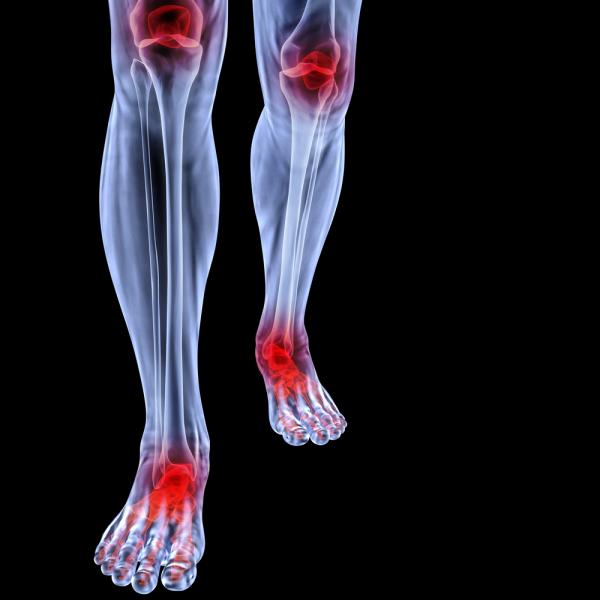
Our weight bearing joints when we walk are our hip joints, knee joints and ankle joints. Poor alignment in any of these joints will have an effect on our gait action and because we repeat the stepping action so many times during each day even a small problem can cause significant wear and tear over time. The inverse is true if we walk with proper technique, we can strengthen these joints and the muscles that activate and support them.
What is good gait technique? Let’s start with foot alignment, your feet should face directly forward when you walk, and your second toe should be in line with the middle of your kneecap. While walking your knees should be unlocked while walking (this will reduce loading), and your knees should not track inwards or outwards. As for the hip, you want to keep your hips level. At the trunk, you want to activate your core muscles and keep them tight; your shoulders should be square and you should slightly rotate your trunk.
Make sure to strengthen the weight bearing joints in a functional way, studies show there is a relationship between increased strength and good walking alignment (you can find more information on this in the squat and lunge articles).
As we age we can expect that our walking capabilities will be reduced, by improving our walking technique and strengthening the weight bearing joints involved we can enhance the chances of those capabilities extending later into life.
 Body KnowlEDGE
One thought on “Exercise 101 Part 7: Gait (Walking)”